No Crowd, No Signal: What Happens to Performers When the Room Goes Silent
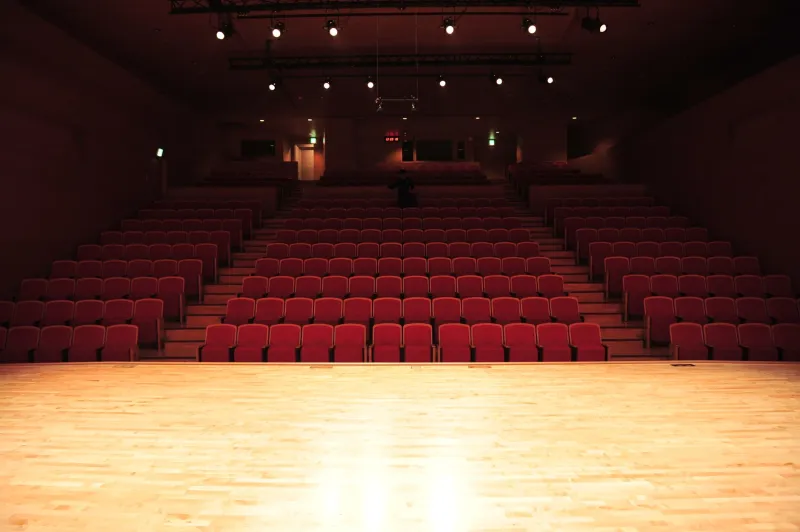
There's a moment every stand-up comedian knows well. They deliver a punchline, there's a half-second of silence, and then — if everything's working — the room erupts. That tiny gap between joke and laughter is actually doing a lot of heavy lifting. It's calibration. It's confirmation. It's the audience telling the performer, keep going, we're with you.
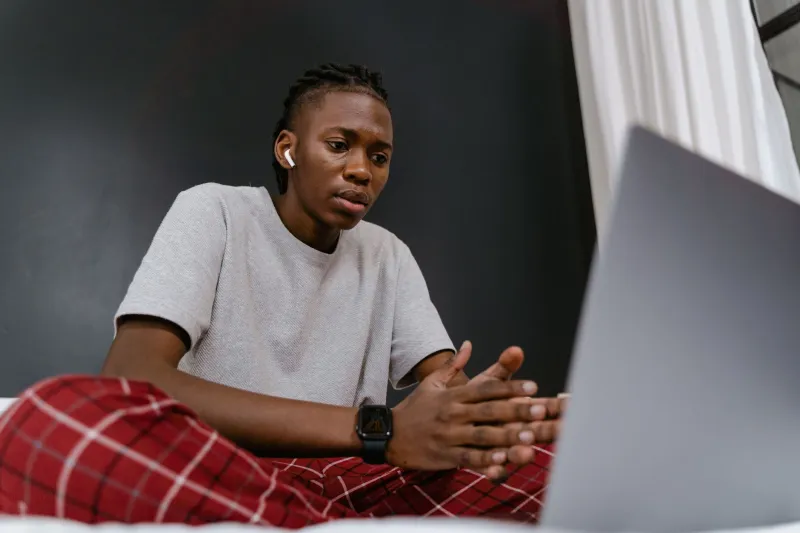
Now imagine that gap stretching out indefinitely. No eruption at the end. Just a camera lens staring back, a muted grid of thumbnail faces, and a chat box where someone just typed "lol" with the same energy they'd use to reply to a grocery list.
That's the reality for thousands of performers navigating virtual stages. And the consequences run a lot deeper than awkwardness.
The Feedback Loop You Never Noticed
Before 2020 turned live events upside down, most performers didn't spend a lot of time thinking about audience feedback as a system. It just happened. Crowds laughed, cheered, groaned, shifted in their seats. Performers read those signals and adjusted — speeding up, slowing down, leaning into a moment that was landing or pivoting away from one that wasn't.
Sports psychologists and performance researchers have a term for this kind of real-time adjustment: co-regulation. Performers and audiences aren't just sharing a space — they're physiologically syncing up. Heart rates align. Energy levels mirror each other. The crowd's enthusiasm literally changes what's happening in a performer's nervous system.
When you strip that away and replace it with a webcam and a broadband connection, you're not just changing the aesthetic of the experience. You're severing a feedback loop that performers have been wired to depend on — sometimes for their entire careers.
What the Silence Actually Costs
Comedians have been among the most vocal about this. Chris Rock, Dave Chappelle, and plenty of lesser-known club comics have talked publicly about how performing to virtual audiences fundamentally changes their craft. Timing — that sacred, impossible-to-teach element of comedy — is almost entirely built on reading a room. Without the room, timing becomes guesswork.
But it's not just comedians. Musicians report a similar disorientation. When a live crowd surges forward during a chorus, performers feel it physically. That energy feeds back into the performance, pushing singers to hold notes longer, guitarists to lean harder into a solo. Without it, many artists describe feeling strangely flat — technically executing the show but missing the emotional voltage that makes a great performance great.
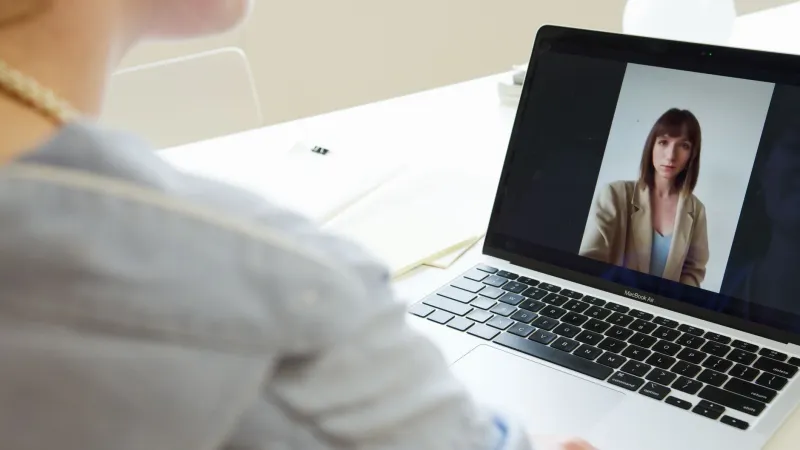
Public speakers and conference presenters face a different but equally real version of the problem. In a physical room, a speaker can scan faces and instantly know if an idea is connecting. Furrowed brows, nodding heads, crossed arms — all of it is information. On a virtual platform, most of those signals disappear entirely, replaced by a gallery of frozen or blurred faces that reveal almost nothing.
The psychological toll adds up. Performers describe a creeping self-doubt that doesn't exist the same way in live settings. When the crowd is laughing, you know you're funny. When the crowd is cheering, you know the song is working. Take that away, and you're left performing in a vacuum, relying entirely on internal confidence that even the most seasoned pros don't have in infinite supply.
The Workarounds Getting Creative
Here's where it gets interesting — because the virtual event world hasn't just shrugged and accepted the silence. Creators, platforms, and event producers have been throwing a lot of ideas at this problem, with varying degrees of success.
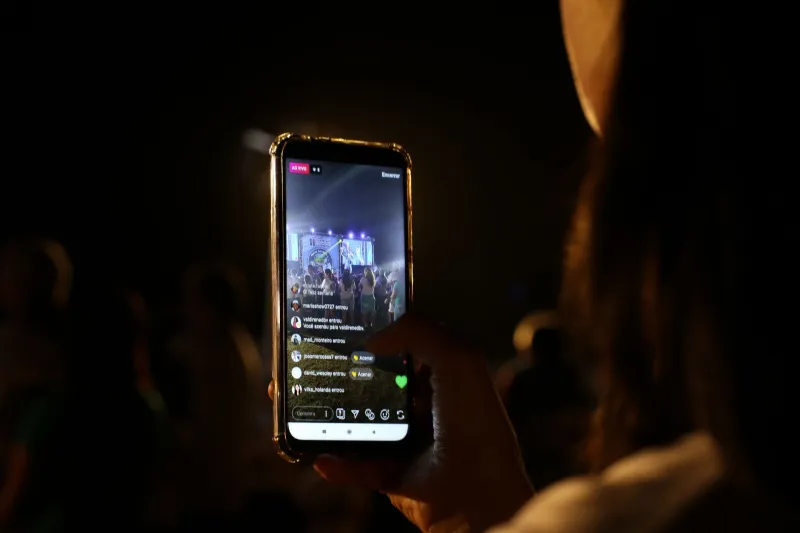
Live reaction overlays were one of the earliest experiments. Platforms like Twitch had already pioneered the idea of letting viewers flood the screen with emoji reactions in real time, and virtual event producers borrowed the concept. The results are genuinely mixed. When a room full of fire emojis floods the screen during a killer guitar solo, it can create a real sense of energy. But it can also feel gamified and hollow — more like a video game power-up than an authentic human moment.
Hybrid crowd audio has been another experiment worth watching. Some platforms now pipe in ambient crowd noise — not fake laugh tracks, but recorded murmurs, applause, and energy from past live events — to give performers something to play against. A handful of musicians have reported that even this synthetic version of crowd presence helps them settle into a more natural performance groove. It's not perfect, but it turns out the brain is surprisingly willing to be tricked.
Unmuted audience moments are gaining traction in smaller, more intimate virtual events. Instead of keeping every attendee on mute for the entire duration, some producers are deliberately opening the floor for collective reactions — asking everyone to unmute for applause at specific moments, or using breakout rooms where small groups can react in real time before rejoining the main stream. It's logistically messier, but the authenticity it creates is hard to replicate any other way.
Two-way camera setups are being explored for premium virtual experiences. Rather than performers staring at a camera and imagining an audience, some high-end virtual events are experimenting with setups where performers can actually see a curated wall of live audience feeds — think the Brady Bunch grid, but with real people reacting in real time. Early reports from artists who've tried it suggest the effect is surprisingly powerful.
The Deeper Question
All of these solutions are creative, some are genuinely promising, and none of them fully solve the problem. Because the problem, at its core, isn't really a technology problem. It's a human one.
Performers and audiences have been co-creating experiences together for as long as humans have been gathering around fires to tell stories. The applause isn't just a nice-sounding reward at the end of a show — it's part of the show itself. It shapes the show in real time. It tells the performer they're not alone up there.
Virtual platforms have gotten remarkably good at transmitting content. High-definition video, spatial audio, interactive polls, real-time Q&A — the tools are genuinely impressive. But transmitting presence — that ineffable sense of being in the same room with another human being — remains stubbornly difficult.
The gap between a performer's screen and an audience member's couch is measured in milliseconds of latency. But in terms of human connection, it can feel like miles.
What This Means for Virtual Events Going Forward
For anyone producing virtual events in 2024 and beyond, understanding this dynamic isn't optional — it's essential. The best virtual experiences aren't the ones with the flashiest production values. They're the ones that have thought carefully about how to close the feedback loop, even imperfectly.
That might mean smaller audience sizes that allow for more genuine interaction. It might mean building deliberate reaction moments into the show structure. It might mean choosing performers who've developed specific techniques for working without a live crowd — because that skill set, while rare, absolutely exists and is growing.
The phantom applause is real. Performers feel its absence every time they log on. But the most inventive minds in the virtual event space are working on making that silence just a little bit louder — and the results, when they land, are something worth logging on for.