The Stream Is Over. Now What? How Smart Creators Are Keeping the Party Going
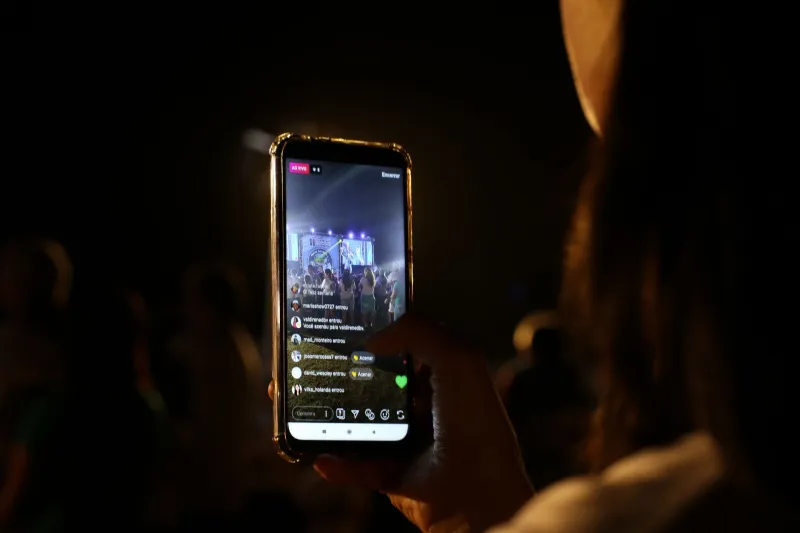
There's a particular kind of quiet that settles in right after a virtual event wraps. The countdown timer hits zero, the host says their thank-yous, and then — nothing. The stream cuts. The chat window empties out. Thousands of people who were just laughing, reacting, and typing all at once scatter back into their regular lives like nothing happened.
For a lot of creators and event organizers, that moment feels like the finish line. They pulled it off. The tech didn't crash. People showed up. Done.
But here's the thing: if you're treating that moment as the end, you're leaving an enormous amount on the table. The most successful virtual events happening right now aren't built around a single broadcast window — they're designed to keep breathing long after the live session closes.
The Hangover Problem Nobody Talks About
Let's call it what it is: virtual event hangover. You spend weeks (sometimes months) building toward a live moment, and then it's gone in a few hours. Attendees who were genuinely excited during the event have no structured way to stay connected to it. The energy dissipates. The community you almost built just... doesn't quite form.
This is especially painful when you consider how much effort goes into getting people to show up in the first place. Email campaigns, social posts, countdowns, early-bird pricing — all of that momentum, and then the machine just stops.
The creators who are breaking through this cycle have adopted a different mental model: the live event is the spark, not the fire.
What an "Afterlife Strategy" Actually Looks Like
So what does it mean in practice to treat your virtual event as a beginning rather than an ending? A few things.
First, the replay becomes a product, not an afterthought. There's a big difference between slapping a raw recording on YouTube and actually packaging the post-event experience. Think edited highlight reels, timestamped chapter breakdowns, bonus commentary, or even a director's cut with content that didn't make the live show. When the replay feels intentional — like someone actually thought about the experience of watching it after the fact — people treat it that way. They share it. They come back to it.
Second, the community needs a place to live. One of the biggest missed opportunities in virtual events is letting the audience relationship exist only inside the event platform itself. If your attendees connected during a breakout session or got hyped in the live chat, that energy needs somewhere to go. Whether it's a Discord server, a Facebook Group, a Slack workspace, or even a good old-fashioned email list with actual personality — giving people a home base keeps the conversation going.
Third, exclusive post-event access creates a reason to stay engaged. Think about how the music industry uses this. You go to a concert, and then there's a limited-edition vinyl available only to people who attended. Virtual events can do the same thing. Bonus Q&A sessions, early access to the next event, downloadable resources, or behind-the-scenes content — these aren't just perks. They're loyalty mechanisms. They make people feel like insiders, not just ticket holders.
The Repeat Participant Is Your Most Valuable Asset
Here's a stat worth sitting with: it costs significantly more to acquire a new customer (or attendee) than it does to retain an existing one. That principle applies directly to virtual events. Someone who attended your last event and had a great time is dramatically more likely to show up for the next one — but only if you gave them a reason to stay connected in between.
This is where a lot of independent creators and smaller organizations fall short. They're so focused on the top of the funnel — getting new people in the door — that they forget to nurture the audience they already have. The people who logged on last time are warm. They already trust you. They just need a little tending.
Email sequences that go out in the days after an event are a simple but underused tool here. Not just "thanks for coming" messages, but actual content. Reflections on what happened. Polls about what people want next. Sneak peeks at what's coming. These touchpoints keep you in the inbox and in the mind.
Turning One-Time Viewers Into Repeat Participants: A Loose Framework
If you're building out a post-event strategy for the first time, here's a rough structure that works across most formats:
Week one post-event: Send the replay, a highlights package, and a genuine thank-you that feels human. Ask for feedback — and actually use it.
Weeks two and three: Drop bonus content. This could be an extended interview with a speaker, a resource guide based on what was discussed, or a community challenge tied to the event's theme. Keep the energy alive without overwhelming people.
One month out: Start seeding what's next. Not a hard sell — just a hint. Let your existing audience feel like they're getting early intel.
Ongoing: Maintain whatever community space you've created. Show up in it. Respond to people. The creator or organization that feels present between events is the one people come back for.
The Longer Game
The virtual event space has matured a lot since the early days of everyone scrambling to get on Zoom and figure out what "interactive" even meant in a digital context. Audiences are more discerning now. They've been to the events that felt like they were built for the moment and then abandoned. They know the difference.
What people are hungry for — and what the platforms and creators who are thriving right now understand — is continuity. A sense that the event is part of something larger. That showing up once gets you into something, not just through something.
The live broadcast is still essential. The energy of a real-time shared experience is genuinely hard to replicate. But it's the beginning of the relationship, not the whole thing.
If you've been pouring everything into the live window and then going quiet, it might be time to flip the script. The encore isn't a bonus — it's the strategy.