Sweatpants at the Symphony: What Happens When the Event Outfit Dies
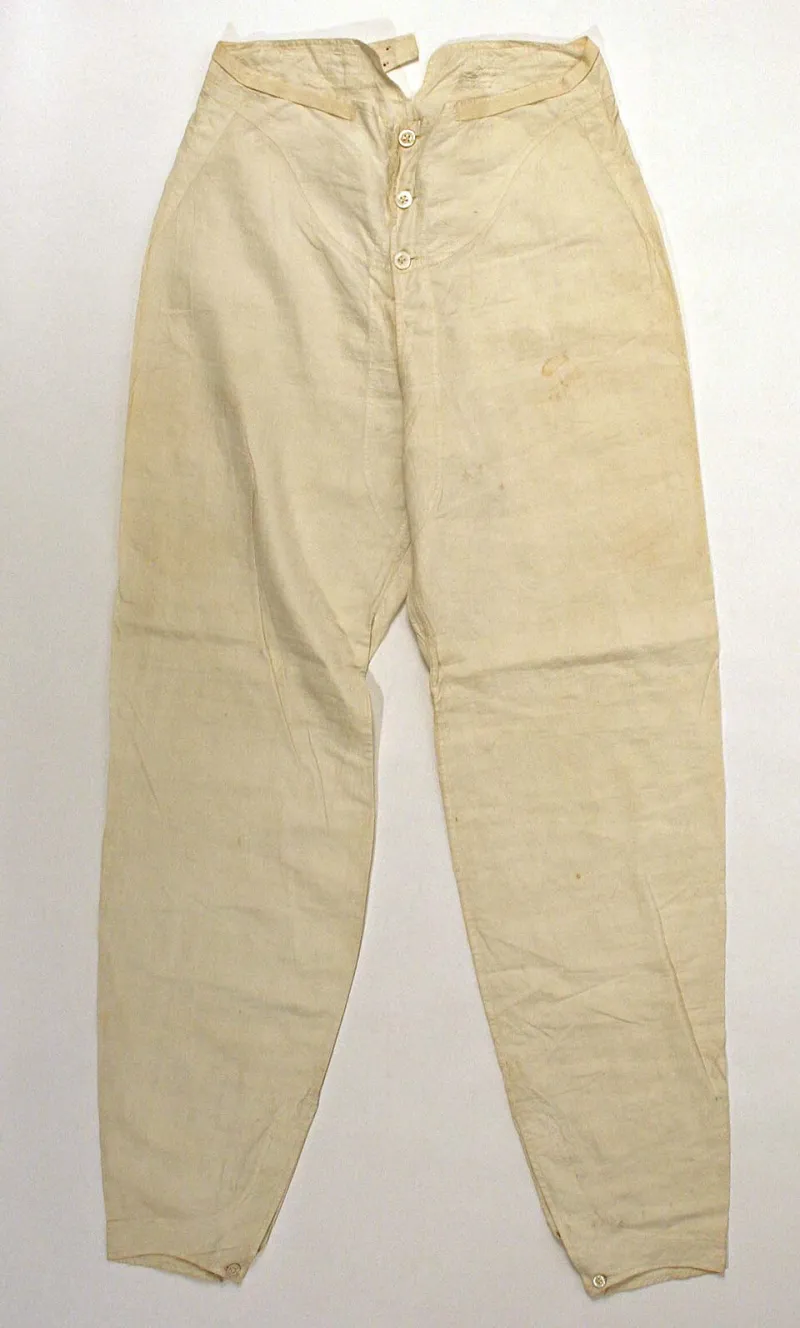
Photo: Unknown, CC0, via Wikimedia Commons
There was a ritual, once. You know the one. The outfit you planned days ahead. The shoes that hurt by hour three but looked right. The frantic mirror check before heading out the door to something that mattered.
Then 2020 happened, and the ritual died in about a week.
'Business on Top' Became a Lifestyle
The first months of virtual everything gave us the now-legendary compromise: dressed from the waist up, feral from the waist down. Comedians built bits around it. Late-night hosts wore blazers over gym shorts and dared anyone to say something.
But something subtler happened too. When nobody could see your bottom half, people started wondering why they bothered with the top half either. The camera framing crept wider. The lighting got casual. The 'event look' slowly melted into 'person who happens to be near a laptop.'
An event planner in Chicago told us her team stopped sending dress-code suggestions entirely by fall 2020. 'We realized we were the only ones who cared,' she laughed. 'People were logging in from their kitchens. Their lives were the outfit.'
Was Something Lost, or Just Moved?
Here's the honest answer: both.
Getting dressed for an event was never really about the clothes. It was a psychological on-ramp — a physical way of telling your brain, this is different from Tuesday night. Anthropologists call it 'enclothed cognition,' the idea that what you wear changes how you show up. When the outfit vanished, some of that occasion-ness vanished with it.
And yet. Ask anyone who attended a virtual wedding in a nice shirt and ratty shorts whether they'd give back the comfort. Ask the folks who watched a Broadway livestream wrapped in a blanket with a glass of wine — something no actual theater would permit. There's a genuine intimacy in showing up as yourself, unpolished, that the old dress code never allowed.
The Hybrid Wardrobe Is Here to Stay
What's emerged since is something new: a hybrid mode. People now dress for themselves rather than for the room. Some viewers put on the outfit anyway — not because anyone will see it, but because it flips the mental switch. Others lean all the way in, attending a film premiere watch party in a bathrobe and calling it self-care.
Both approaches are valid, and both reveal the same truth: the outfit was always optional. We just didn't know it until the venue moved into our living rooms.
So the next time you log into something 'important' in pajama pants, don't feel guilty. Feel curious. The question isn't what you're wearing — it's whether you're there. The sweatpants were never the problem. They were just the most visible symptom of a much bigger shift in how America shows up.