Why Your Event Reminders Are Pushing People Away (And What to Do Instead)
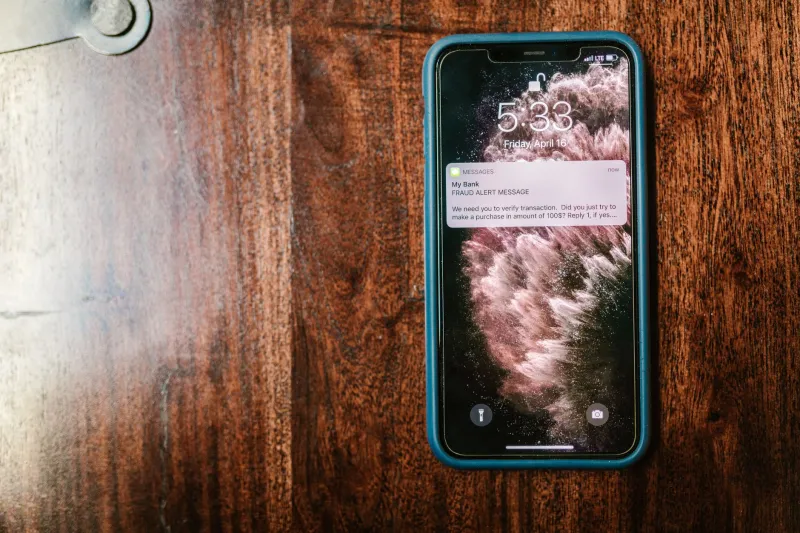
Let's start with a number that should make every virtual event organizer uncomfortable: the average American receives somewhere between 46 and 80 push notifications per day. Add in marketing emails, social media alerts, calendar reminders, and text messages, and the picture gets even more cluttered.
Now ask yourself honestly — how many of your event reminders are part of that pile? And more importantly, how many of them are making it more likely that someone shows up versus less likely?
Notification fatigue is real, it's measurable, and it's quietly destroying virtual event attendance rates across the board. But the solution isn't as simple as "send fewer emails." It's about rethinking how you approach the entire communication strategy — from the first announcement to the moment the stream goes live.
The Paradox of Too Much Promotion
Here's the counterintuitive thing about over-promoting a virtual event: it doesn't just fail to help — it actively works against you.
When someone gets four reminders about an event in a single week, something subtle but significant happens in their brain. The event starts to feel like an obligation rather than an opportunity. And nobody RSVPs enthusiastically to obligations.
Worse, repeated reminders can trigger what behavioral economists call "decision fatigue." Every time your notification pops up, the recipient has to make a micro-decision: engage, dismiss, or unsubscribe. That's cognitive work. And the more cognitive work you ask someone to do before your event even starts, the more likely they are to just... not show up.
Research on consumer behavior consistently shows that perceived scarcity and exclusivity drive action far more effectively than volume and frequency. Which means the organizer who sends one carefully crafted message often outperforms the one who sends seven.
What's Actually Breaking Through Right Now
So what does effective virtual event promotion look like in 2024's saturated attention economy? The organizers who are consistently hitting their attendance targets are doing a few things differently.
They're embracing scarcity messaging — and meaning it
Not fake scarcity. Not "only 500 spots left!" when you're running an unlimited-access webinar. Actual limits, communicated clearly and without manufactured urgency.
This might mean capping attendance intentionally — not because you have to, but because a smaller, more engaged audience produces a better experience and a more compelling story for future events. "We sold out" is a sentence that does more marketing work than any reminder sequence ever will.
They're going offline
This one surprises people, but it's working. Physical postcards. Flyers at local coffee shops and coworking spaces. Even handwritten notes to high-value community members.
In a world where everything is digital, a physical touchpoint stands out precisely because it's unexpected. It signals effort. And it reaches people in a context where they're not already drowning in screen-based noise.
Some organizers in the creative and professional development space have reported meaningful upticks in registration after adding even a minimal offline component to their promotion strategy. The medium itself communicates something the email can't.
They're being deliberately quiet
This might be the most counterintuitive tactic of all: some of the most successful virtual event organizers are deliberately creating gaps in their communication. No reminders for two weeks. No social posts. Silence.
Then, a single well-timed message that lands differently because it's the first thing the audience has heard in a while. The contrast creates attention. Silence, used strategically, is louder than noise.
Fix Your Email Strategy First
If you're not ready to go full offline or experiment with scarcity caps, start with the thing that's most likely causing the most damage: your email sequence.
Here's a framework that tends to work better than the standard "announcement, reminder, reminder, last chance" approach:
One announcement email. Make it feel like a personal invitation, not a broadcast. Use the recipient's name. Write it like you're telling a friend about something genuinely worth their time — because you should be.
One value-add email. Don't remind them about the event. Give them something useful related to the topic. A short piece of insight, a relevant resource, a question worth thinking about. This builds anticipation without triggering fatigue.
One day-of message. Keep it short. One sentence about what they'll walk away with. A direct link. Nothing else.
Three emails. That's it. Test this against your current sequence and watch what happens to your open rates — and your actual attendance numbers.
The RSVP Abandonment Problem
A quick word on RSVP abandonment, because it's related and often overlooked.
A significant chunk of virtual event no-shows are people who genuinely intended to come. They registered, they meant it, and then life happened — or, more often, they got so many follow-up messages that the event started to feel like a burden rather than something they chose.
The fix here isn't more reminders. It's a better registration confirmation experience. The moment someone signs up, make them feel like they made a great decision. Give them something immediately — a preview, a resource, an exclusive piece of content that's only available to registered attendees. Make the registration itself feel like the first moment of the event, not just a transaction.
When people feel rewarded for committing, they're far more likely to actually show up.
Quiet Is a Competitive Advantage
The virtual event space is loud. It's been loud for a while, and it's not getting quieter anytime soon.
Which means the organizers who learn to communicate with restraint — who treat their audience's attention as something to be earned rather than captured — are sitting on a genuine competitive advantage.
Less noise. More signal. Fewer messages that actually land.
Your audience will notice. And more of them will show up.